Coping with emergencies and disasters

Resources to help adults, children and communities prepare for and recover from disasters and emergencies.

Recovery is different for everyone impacted by an emergency or unexpected event. For some people, recovery is ongoing.

Road to Resilience podcast

The Road to Resilience podcast may help if you have been impacted by an emergency. It provides practical advice you can use when it suits you.

Episode 1 explores the emotions people have after an emergency. It features a story about flood recovery.

Episode 2 focuses on children, families and trauma. It features what trauma can look like for children and adults and has advice on the recovery process.

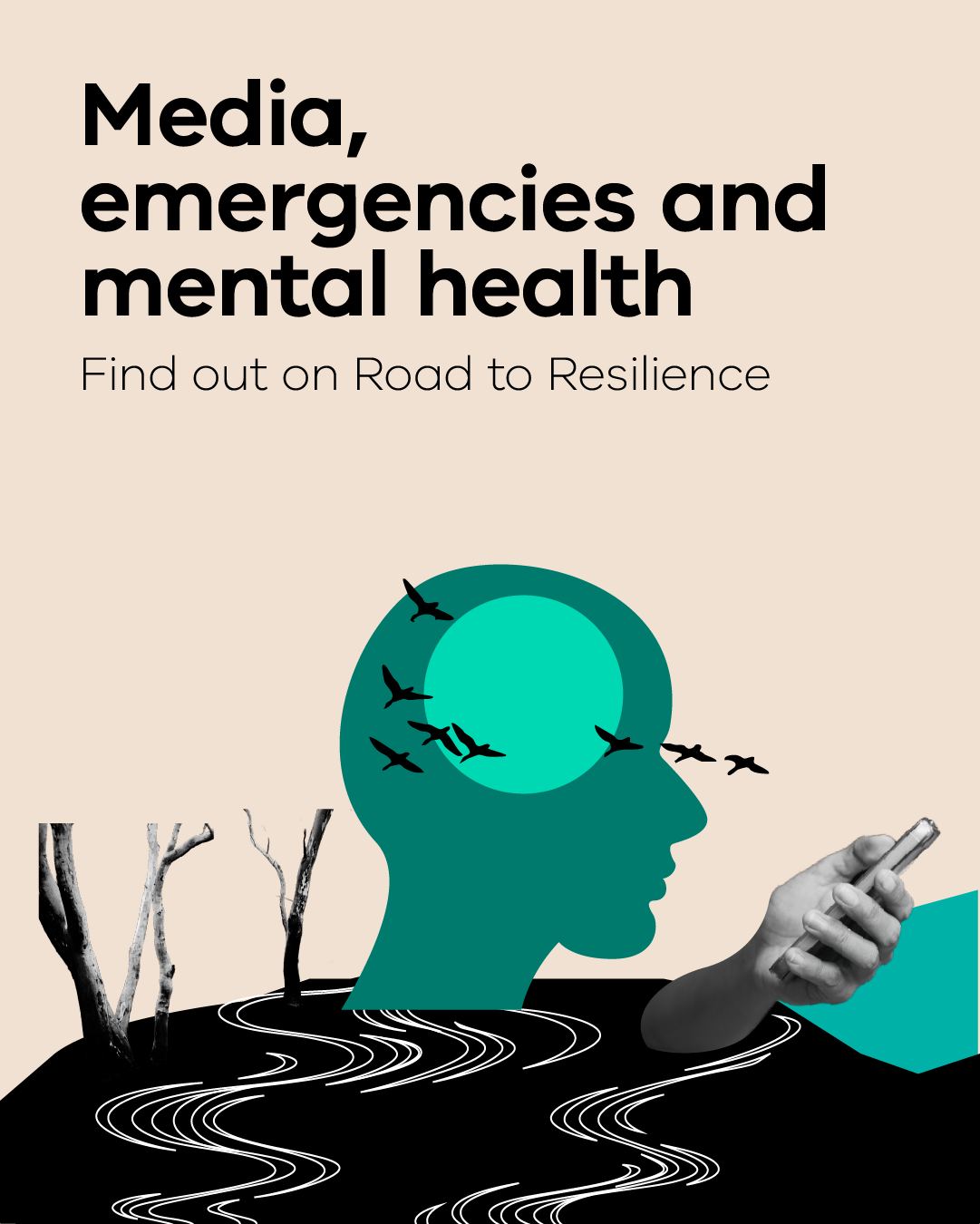
Episode 3 discusses how to exposure to information during and after an emergency impacts mental health and wellbeing. It explains where to get the most up to date information and includes strategies for avoiding overload.

You can listen to The Road to Resilience podcast on these platforms:

The pilot episode was made possible through Commonwealth-State Disaster Recovery Funding Arrangements.

Stakeholder resources

These are downloadable resources for the Road to Resilience: Media, emergencies and mental health. There are: social media tiles, a news item, a transcript of the podcast and biographies of people in the podcast.

  • Social media tiles

    To download an image, right click on it, select 'save image as' then save it onto your computer.
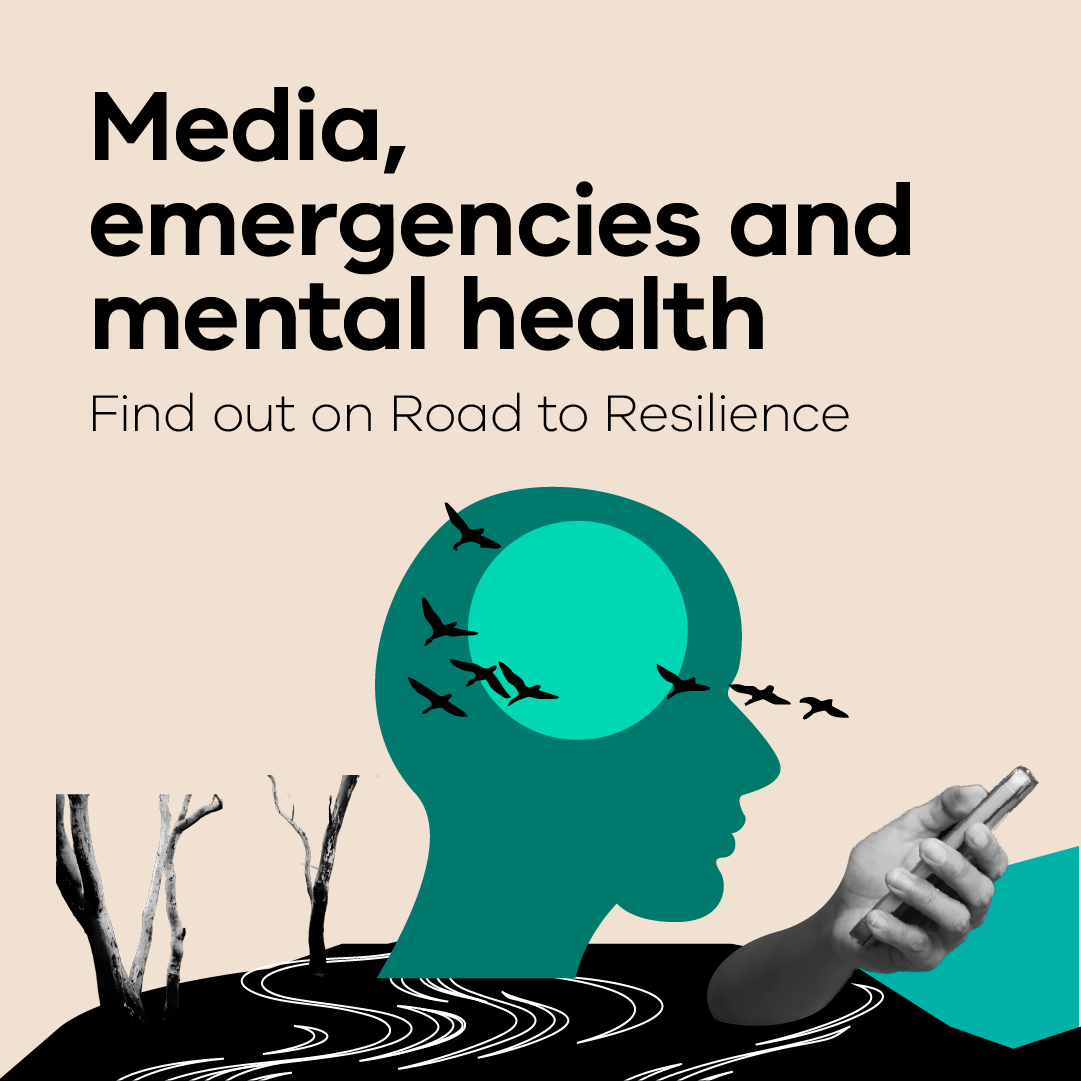
    Media, emergencies and mental health. Find out on Road to Resilience


    Media, emergencies and mental health. Find out on Road to Resilience
  • More resources for coping during and after emergencies

    Information during and after an emergency

    During an emergency, there are a range of ways you can get warnings and information.

    • download the VicEmergency app and set a watch zone for a specific area
    • visit the VicEmergency website
    • follow VicEmergency on Facebook and X (formally Twitter) for real-time warning notifications
    • tune in to your local emergency broadcaster like ABC local radio, SkyNews or commercial/community radio stations for updates.

    You should never rely on one source of information during an emergency because technology can fail and emergency situations are constantly changing.

    Know your local emergency broadcasters are, follow VicEmergency on socials or tune in to community radio for updates.

    The VicEmergency website Relief and Recovery tab will have up to date information about relief and recovery supports and services available after a major emergency.

    Councils may also provide a summary of state and local relief and recovery supports on their websites and social media channels.

    Media and your mental health and wellbeing

    The Disaster preparation and recovery: family guide from the Raising Children Network includes information on media coverage in emergencies and strategies to help children of all ages cope.

    Trauma psychologists Dr Rob Gordon and David Younger (YouTube) discuss media coverage and the impact on recovery after an emergency.

    If you need help, contact:

    • Lifeline on 13 11 14
    • Beyond Blue on 1300 224 636.

    Your GP and local council can also let you know what help is available. 

    To find your local: